
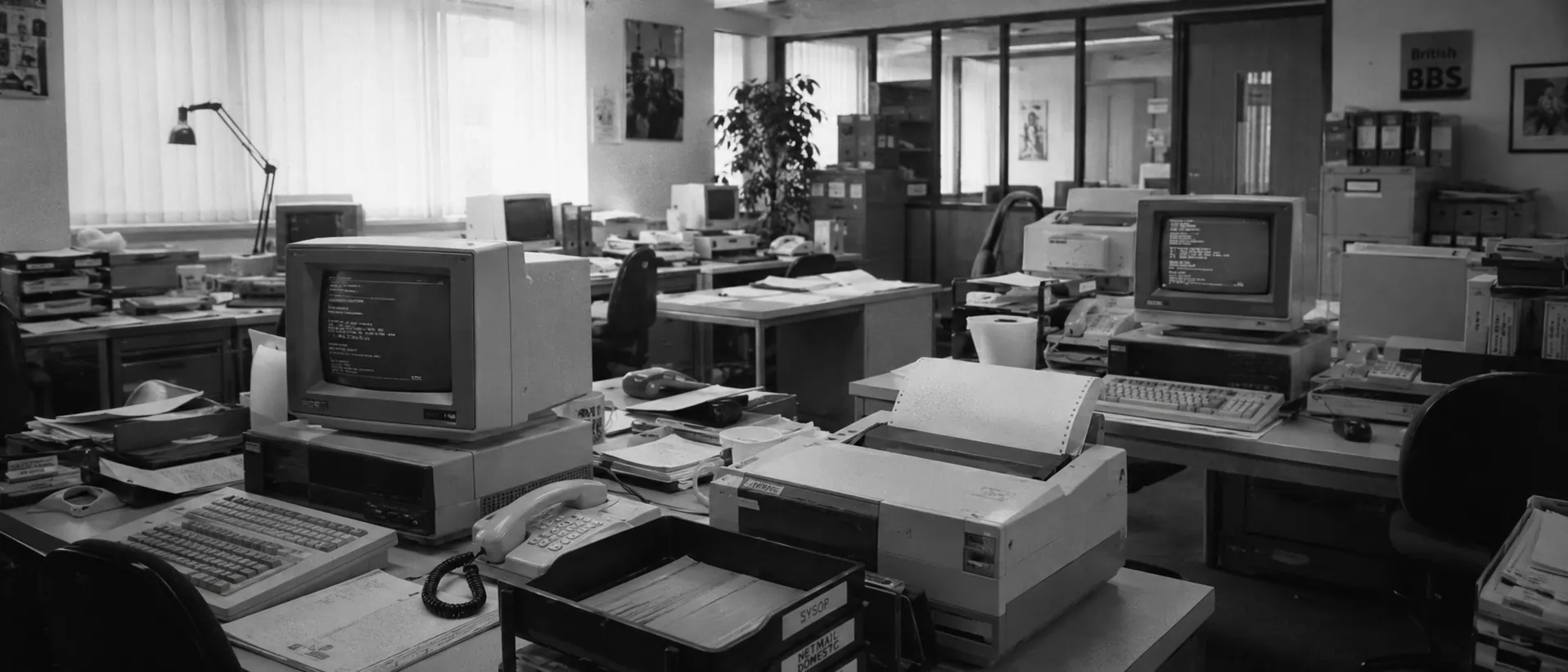
Our History
It started with curiosity...
BBS began with a simple instinct: that data, used well, could help people do their work better.
Long before "data quality" or "digital transformation" were phrases anyone used, our co-founder Bob Carter was already close to the edge of what computers might make possible — he'd even worked on ELIZA, one of the earliest conversational programs and a forerunner of today's AI. In 1976, at Liverpool University, he used emerging computer technology and Royal Mail's brand-new postcodes to help identify and target voters in the Welsh referendum — one of the earliest recorded uses of postcode targeting in the UK. Back then, the only way to find a postcode was to look it up by hand, in Royal Mail's vast "Blue Books."
Bob saw what most hadn't: a postcode wasn't just delivery information. It was a way to understand and reach people. In 1980, he and Shirley Carter turned that idea into a business.
The story, decade by decade.
Two people and a microcomputer. Bob and Shirley founded Border Business Systems to harness microcomputer technology for managing data intelligently. When Royal Mail introduced national sortation for discounted mail, BBS wrote Mailsort to do it on a microcomputer — laying the foundations for everything that followed.
The Invention. Bob pioneered postcode lookup technology — the now-everyday idea that turns a postcode into a full address. Every time a customer types a postcode into an online checkout and their address appears, they're using something Bob helped invent. The software was even used to postcode the entire British Gas database.
Into direct marketing. BBS expanded into data optimisation, fulfilment and sortation software — helping clients cut waste and get better results. Crucially, BBS used its own software for real client work, which is why it stayed reliable, well-supported and genuinely useful.
Rethinking delivery. As the postal market opened up, Bob wrote software behind early downstream access — including one bold experiment to have milkmen deliver mail on their existing rounds. That work fed into the wider shake-up of UK mail; the partner involved later became part of what is now Whistl.
A licensed partnership. BBS built its relationship with Royal Mail into a formal licensed partnership, introduced Mailmark, and grew into omni-channel direct marketing — supporting clients from Matalan and Lakeland to Celtic & Co., Whistl and hundreds of UK mailing houses.
Still building. As Royal Mail reform brought new uncertainty, BBS answered with Track My Mail and Plan My Mail — and brought everything together under three products: OptiMail, MailHub and DirectMail.
Still here. Still getting the details right.
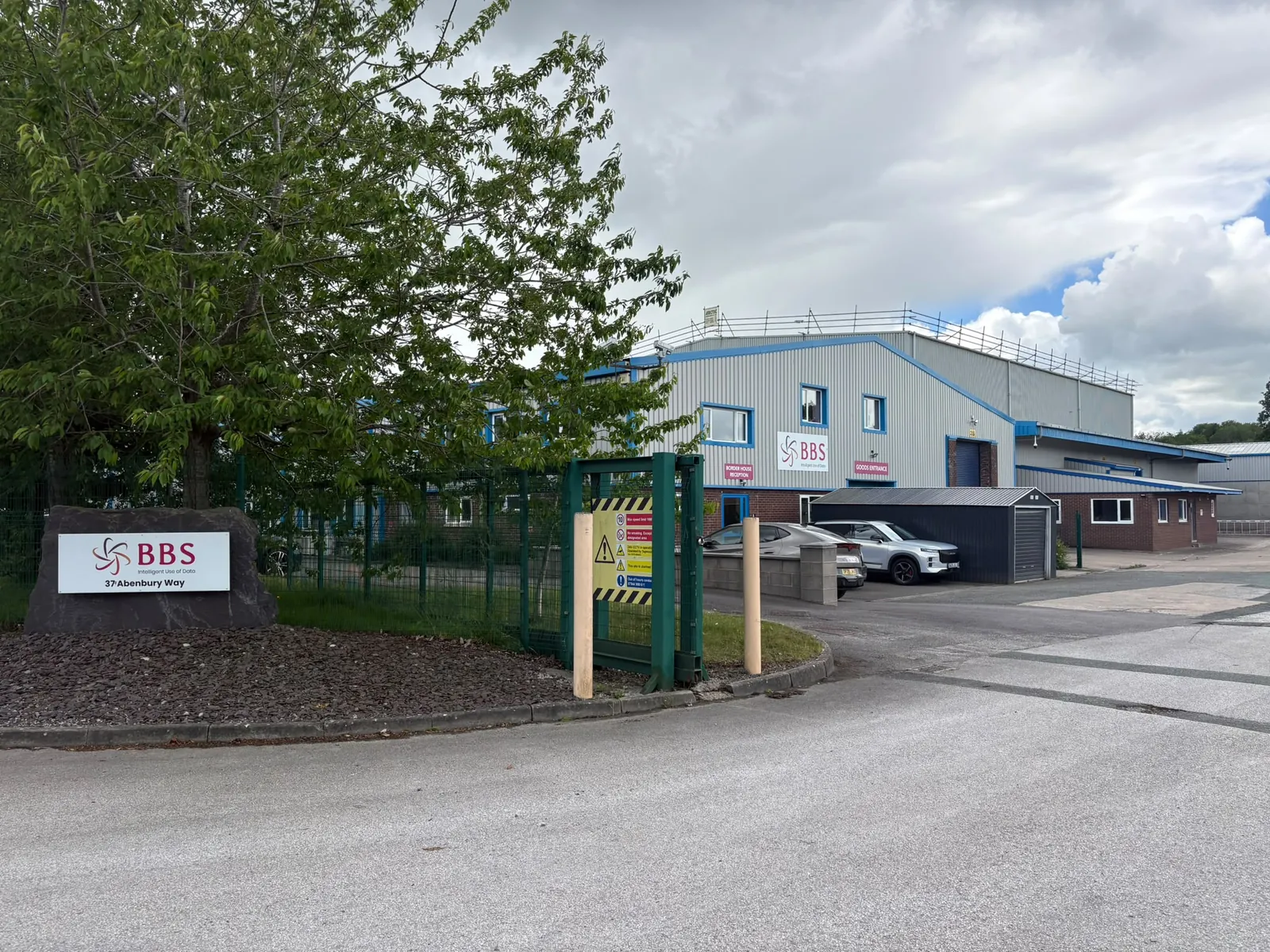
More than forty years on, BBS is still a family-owned business in an industry that has changed beyond recognition around it.
And Bob? Still here — still writing software, still in technical meetings, still asking how we can make it better.
That's the part we're proudest of. We didn't just build products. We built trust, relationships, and a culture where the details matter — because they always have.

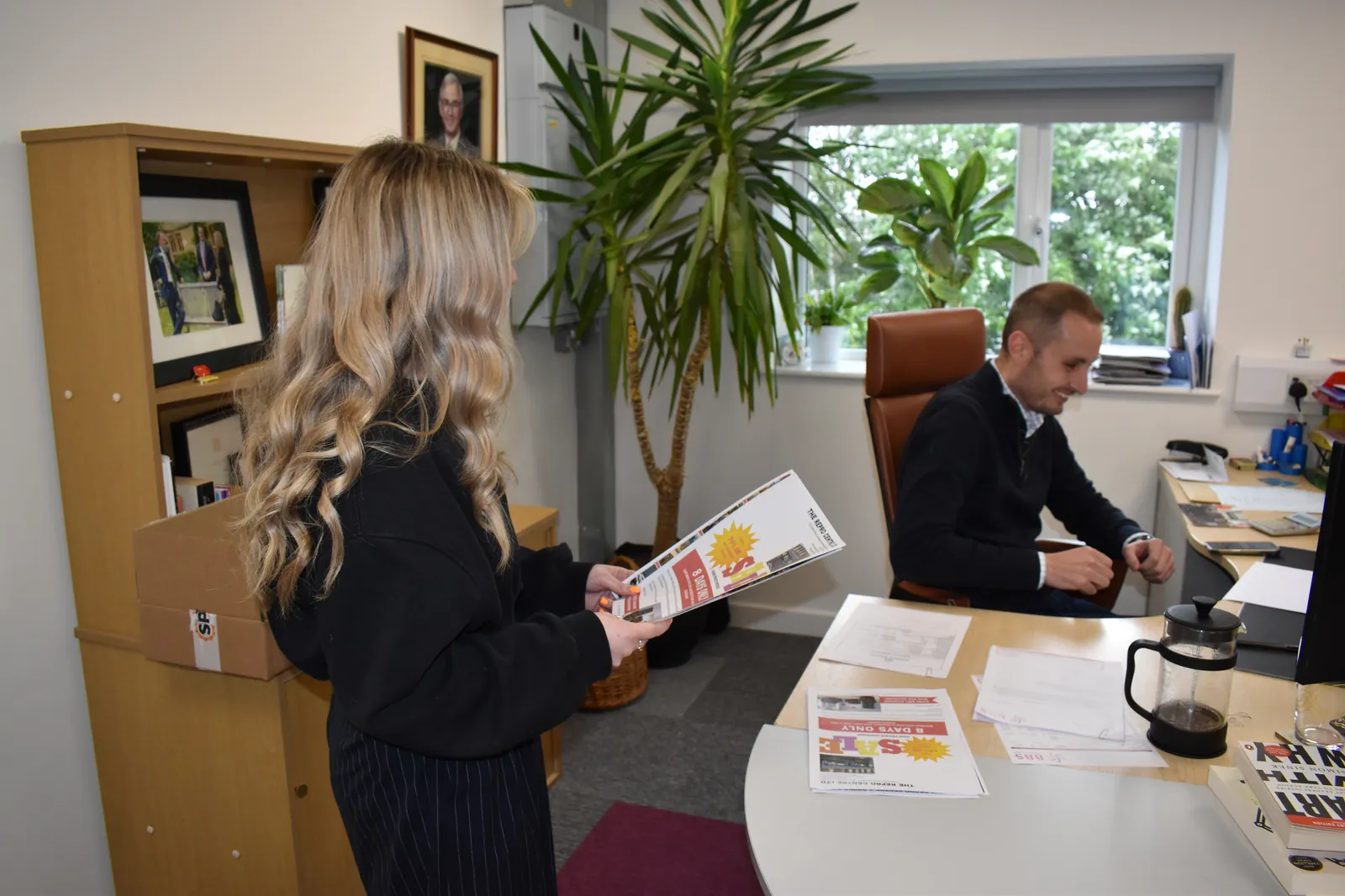

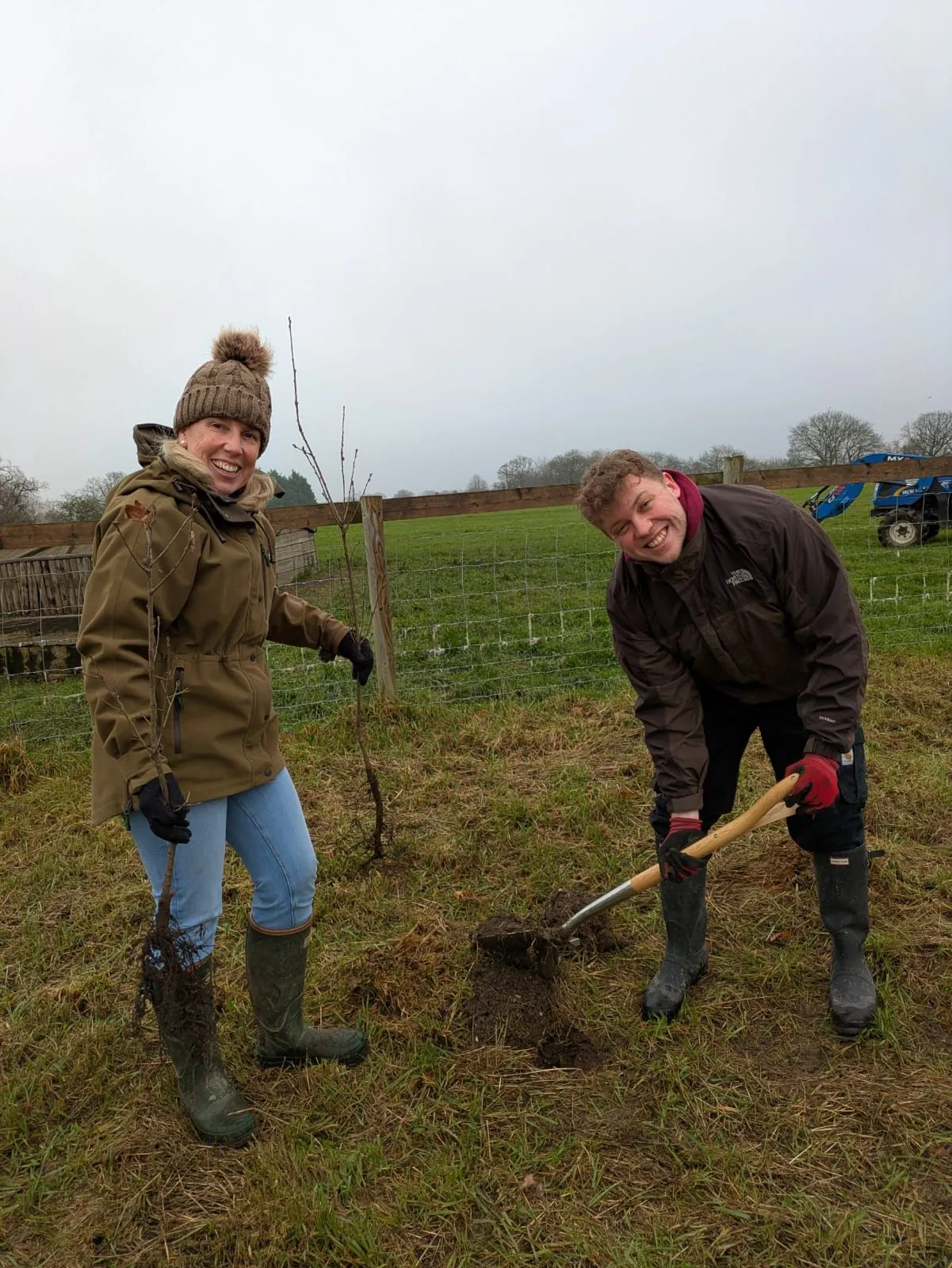
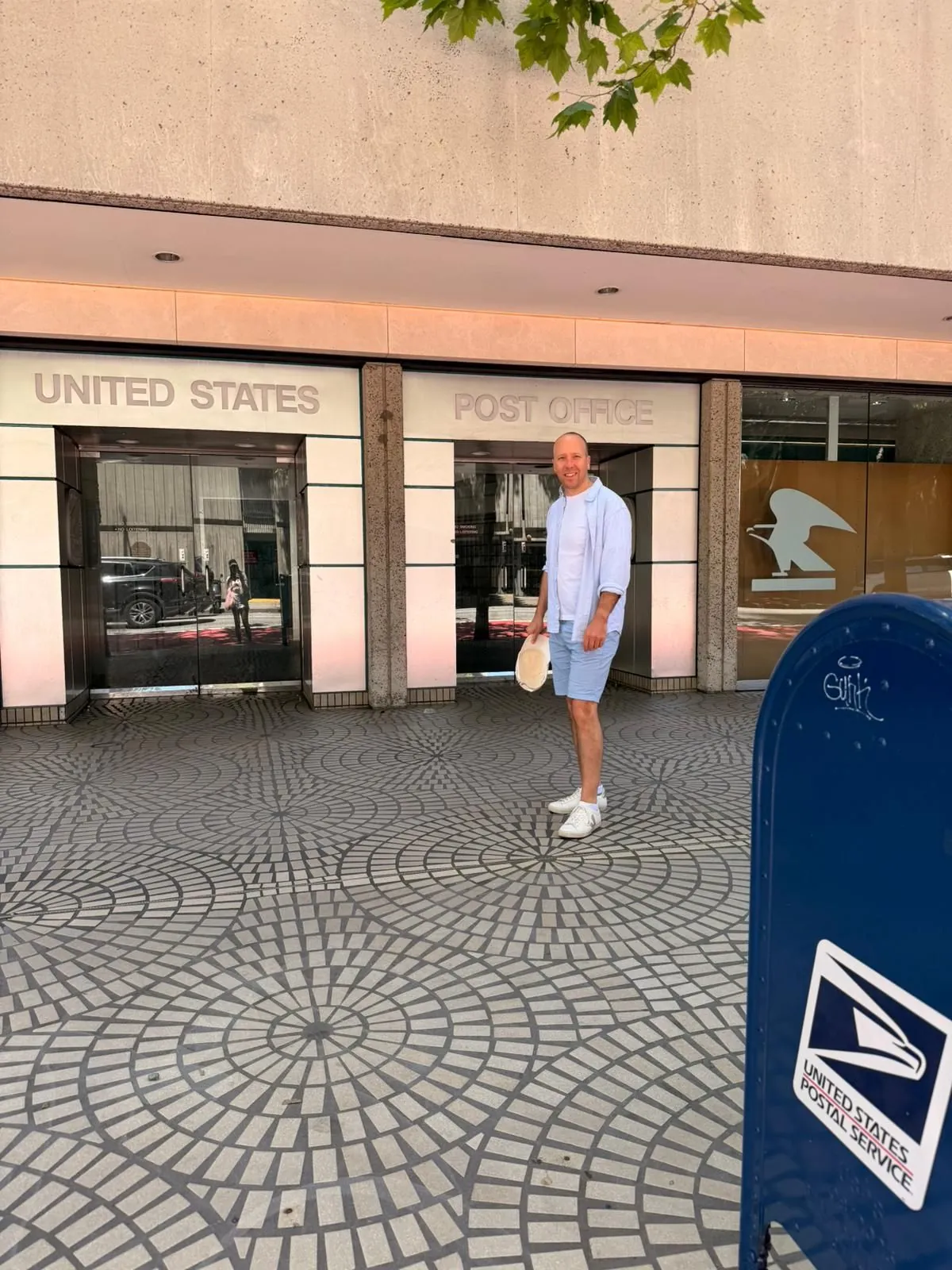

Forty years in.
Still getting it
right.
Whether it's cleaner data, smarter mail or a campaign delivered end to end, we'd love to help — and we'll treat the details like they're our own.
Speak to our team


Wrexham Industrial Estate,
Wrexham
LL13 9FS Registered in England and Wales No. 01515822
VAT Reg No. GB 338 421854